Differences Between Raw rPET Flakes and Compounded Pellets
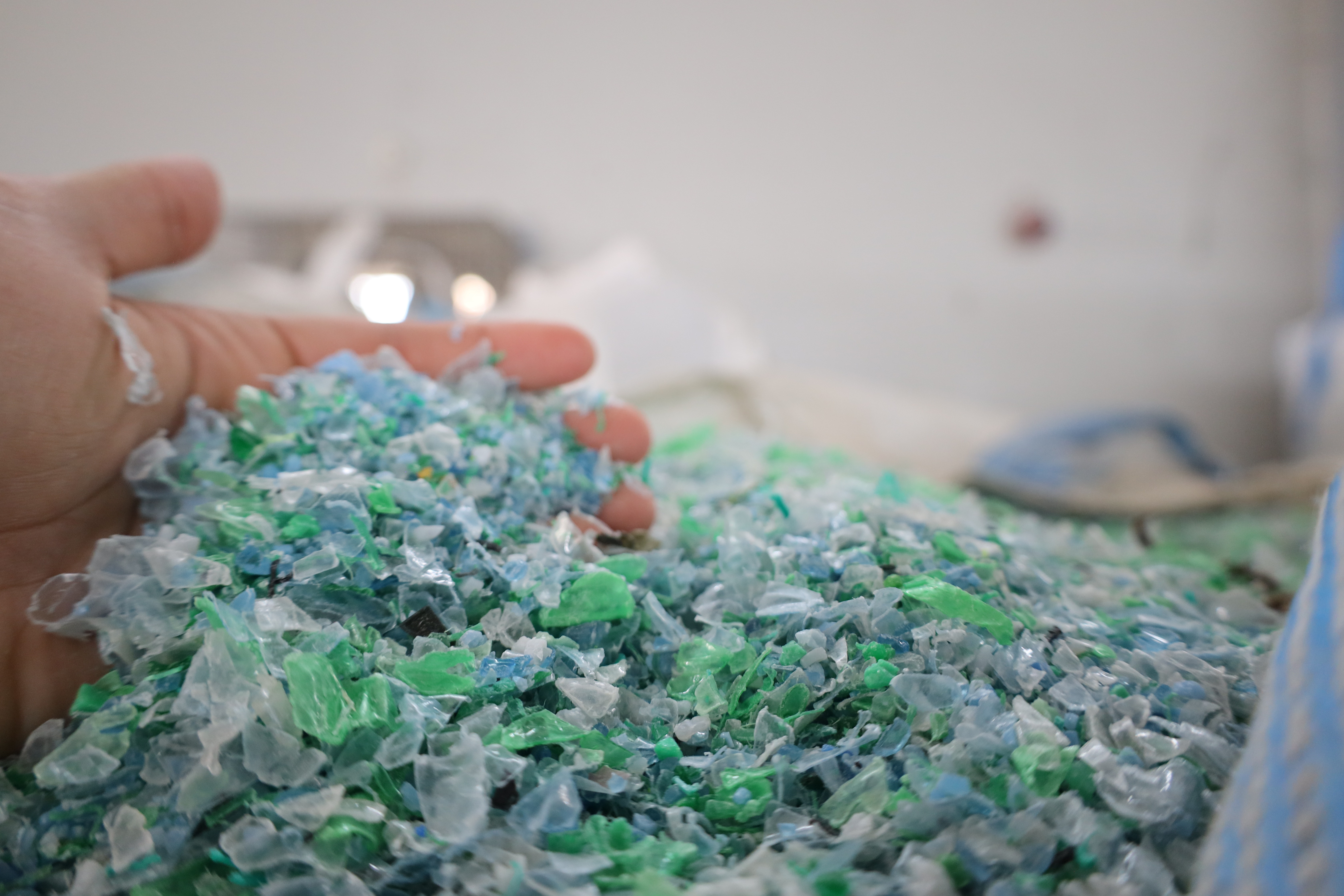
rPET flakes are crushed, washed post-consumer flakes; recycled pellets (rPET granulate) are re-extruded, melt-filtered, and strand- or underwater-cut pellets. The pelletizing step does not automatically eliminate poor raw material defects. Final pellet quality strictly depends on input flake purity, extruder degassing efficiency, and melt filtration capability.
Before purchasing rPET flakes, compounding processors should establish the downstream target application for the finished pellets. Pellets intended for industrial strapping or molded components possess different tolerances from food-grade or optical-clarity compounds. Suppliers require this clarity to suggest compatible flake grades.
Setting Inbound Quality Criteria for Pelletizing Lines
Core quality parameters include base color, cross-color tolerance, non-melting polyolefins, PVC limits, metal particulates, moisture levels, flake sizing, and fine dust ratio. Limits must stem from your extruder's specific feeding, degassing, and filtration abilities rather than copied from unrelated specifications.
If intrinsic viscosity (IV) is specified, clarify testing protocols and output target values. Do not assume all pelletizing lines provide IV lift or comprehensive decontamination. Equipment capabilities must be verified through actual material trials.
Calculating Net Cost per Kilogram of Qualified Pellets
To evaluate competing flake supplies, divide total lot expense by the mass of qualified pellets produced. Total expense encompasses flake acquisition, freight, electrical consumption, filter screen packs, labor, and scrap reprocessing. Avoid double-counting fixed line overheads.
For instance, two raw flake batches at the same purchase price that produce different qualified pellet yields will yield different net unit costs. Conversely, a higher-grade flake may prove more economical if it minimizes melt screen changeovers and maximizes line throughput.
Sample Qualification & Supply Lot Control
During trial pelletizing, document lot numbers, drying/pre-treatment conditions, extruder zone temperatures, filter pressure rises, and qualified pellet output. When adjusting blend ratios or machine settings, document changes incrementally. Retain flake and pellet retention samples for future benchmark comparison.
For ongoing deliveries, formalize lot acceptance standards, delivery batch sizes, and deviation notification protocols. Commingling multiple deliveries prior to receiving inspection hinders variance analysis.
Industrial Molding & Strapping Demand Dedicated Verification
rPET compounds serve PET strapping, extrusion profiles, and technical injection molded articles depending on polymer viscosity and reinforcement. Never assume any recycled pellet fits all injection mold tools. Each product has defined mechanical tensile, dimensional, and environmental stress cracking resistance criteria.
BASSIX supplies recycled PET flakes tailored by application and verified via sample approval. Share your target pellet specs, application demands, and tonnage needs to initiate customized sampling.
Technical References
Industry reference benchmarks:
- Starlinger — recoSTAR PET art Pelletizing Process Technical details of flake drying, continuous melt filtration, and underwater pelletizing.
- EREMA — VACUREMA MPR Flake Pre-treatment Technology Vacuum reactor pre-treatment and decontamination before plasticizing extrusion.
Frequently Asked Questions
Does the pelletizing extrusion process automatically eliminate all impurities?
No. Elimination depends strictly on melt filtration mesh, vacuum degassing, and contamination types; flake input quality remains primary.
Should rPET flakes be chosen based on raw purchase price or finished pellet yield?
Always calculate cost per finished kilogram. Lower-priced flakes with higher fines or moisture can increase filter screen consumption and energy use.